Eco-Friendly Landscaping Practices: Sustainable Ideas from Jose's Yardservice Apr 14, 2026
One of the first steps in sustainable landscaping is the selection of native plants. Native plants are adapted to local climate conditions and typically require less water, reducing your need for irrigation. By choosing plants that thrive naturally in your area, you can significantly cut down on water consumption and maintenance costs. Additionally, native plants contribute to the local ecosystem by providing habitat and food for local wildlife.
Another key eco-friendly practice is the use of organic fertilizers and pest control solutions. Traditional chemical fertilizers may provide a quick nutrient boost but can have detrimental effects on the soil and nearby water systems. Organic fertilizers not only nurture the soil sustainably but also encourage healthier, more resilient plant growth. Similarly, employing natural pest control methods, such as encouraging beneficial insects or using homemade remedies, can help maintain a balanced garden ecosystem without harming the environment.
Incorporating a rainwater harvesting system is an innovative way to enhance water efficiency in your landscape. These systems collect rainwater that can be used for irrigation, significantly reducing the amount of tap water needed for your yard. Implementing rain barrels or installing a more sophisticated underground system can be both cost-effective and environmentally friendly.
Jose's Yardservice also recommends considering hardscaping elements made from recycled or sustainable materials. Hardscaping features, such as patios, walkways, and retaining walls, add structure and function to your outdoor area. By using recycled materials such as reclaimed wood or stone and permeable pavers, you can minimize environmental impact. Permeable pavers, in particular, help manage stormwater runoff by allowing water to soak back into the ground, reducing erosion and recharging groundwater supplies.
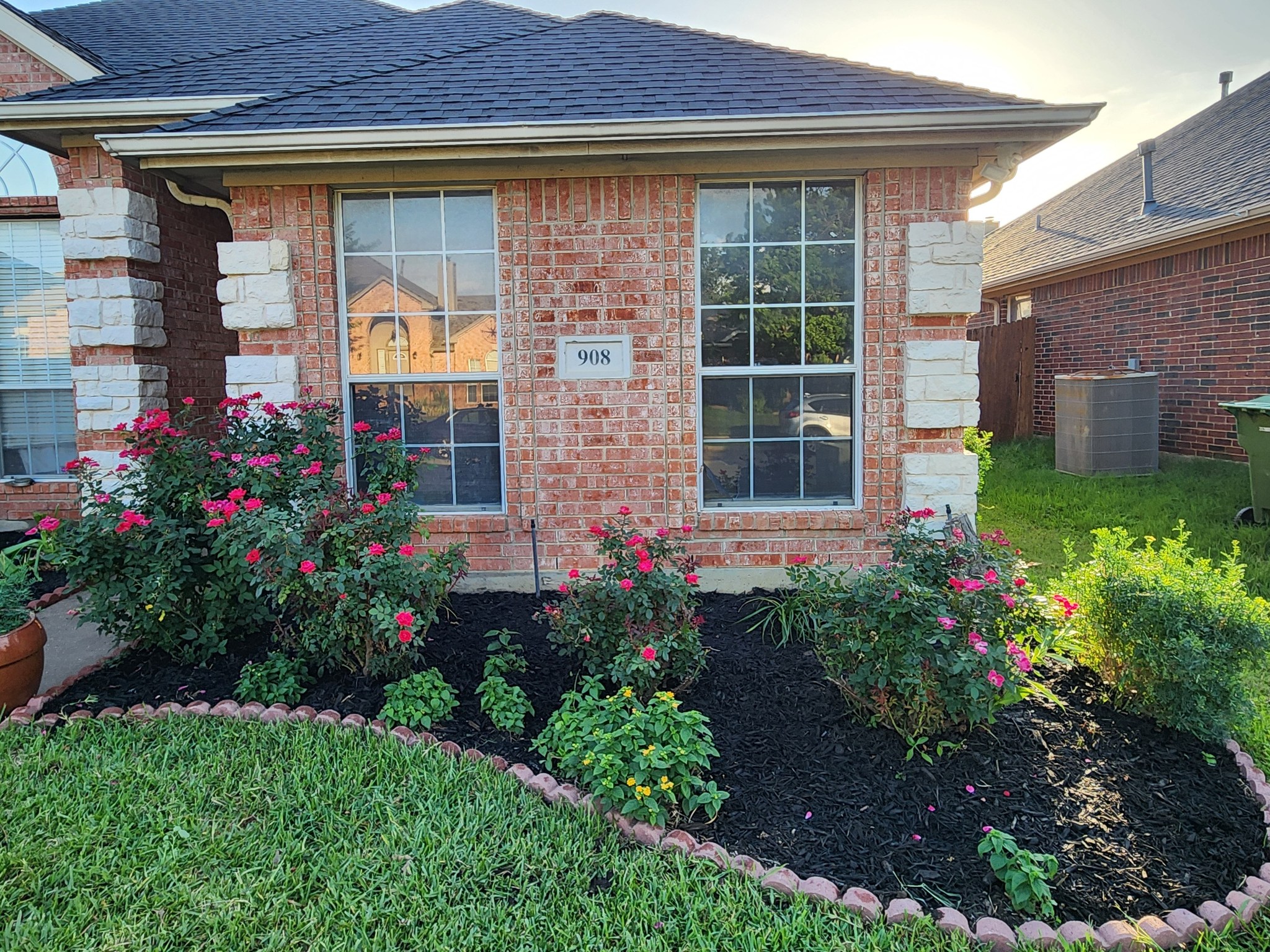
Maintaining soil health is another critical aspect of eco-friendly landscaping. Healthy soil promotes robust plant growth and reduces the need for chemical inputs. Practices like composting and mulching can enrich soil quality naturally. Composting kitchen waste and yard debris creates a rich, organic fertilizer that improves soil structure and fertility. Meanwhile, mulching garden beds helps retain moisture, suppress weeds, and gradually add nutrients to the soil as it decomposes.
Lastly, strategic landscape design can significantly enhance your yard's sustainability. By designing with the natural topography and microclimates of your property in mind, you can create a landscape that works in harmony with nature. This may include creating windbreaks with trees and shrubs, planning for sun exposure when planting, or developing areas for outdoor activities that minimize lawn space and the need for excessive watering.
In conclusion, implementing eco-friendly practices in your landscaping and hardscaping projects can lead to a more sustainable and visually appealing outdoor space. Jose's Yardservice is dedicated to helping homeowners create landscapes that are not only beautiful but also environmentally responsible. By adopting these sustainable practices, you can enjoy a vibrant yard while contributing to a healthier planet.
/filters:no_upscale()/filters:format(webp)/media/b50177c1-a14d-4a90-b85b-a7d2d4f21d4f.jpeg)